The Role of Emotions in Gambling Preferences
Emotions play a significant role in shaping the choices players make in casino environments. Many gamblers are driven by the thrill of risk and the excitement of potential rewards. This emotional response can often lead to a preference for high-stakes games, where the adrenaline rush is heightened. Players frequently seek an escape from reality and turn to gambling as a means of coping with stress or boredom, further influencing their game selections. For instance, players might find that the best uk non gamstop casinos offer an exciting environment that enhances their emotional experience.
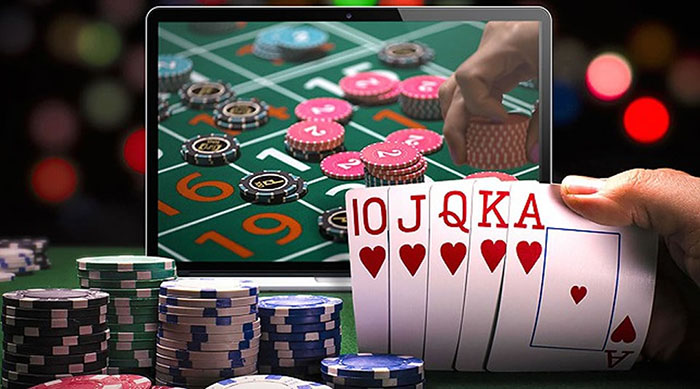
Moreover, the ambiance of a casino—bright lights, engaging sounds, and the presence of other players—creates an emotional experience that can sway individuals toward certain games. Social influences also come into play; the appeal of games such as poker, where interpersonal interaction adds to the experience, can attract those who thrive in social settings. Understanding these emotional dynamics can help in unraveling why individuals gravitate toward specific casino games.
Cognitive Biases and Decision-Making
Cognitive biases significantly affect how players perceive odds and outcomes in casino games. Many gamblers suffer from the illusion of control, believing they can influence the outcome of games that are fundamentally based on chance. This bias leads players to prefer games that they perceive as having a strategic element, like blackjack or poker, over pure chance games such as slots. These perceived skills can create a false sense of security, encouraging continued play.
The framing effect is another cognitive bias that shapes game choices. How options are presented can influence decisions; for example, players might be more inclined to choose a game if it is framed as having a high payout potential rather than one that simply describes the odds of winning. Recognizing these biases is crucial for understanding the psychological factors that drive game preferences in casinos.
Demographics and Game Choices
Demographic factors such as age, gender, and socioeconomic status play a crucial role in the types of casino games chosen by players. For instance, research indicates that younger players often favor fast-paced games like electronic slots, while older players might gravitate towards more traditional games such as roulette or blackjack, where they can engage in strategy. These preferences reflect varying levels of experience and comfort with risk.
Gender differences are also evident in game preferences. Studies show that men are more likely to favor competitive games, while women often prefer games that combine both skill and social interaction. Understanding the demographic influences on gambling behavior can provide insight into the entertainment preferences of different groups and how casinos can cater to these diverse audiences.
The Impact of Marketing and Game Design
Marketing strategies and game designs are fundamental to how casino games attract players. The vivid graphics, sound effects, and immersive themes are designed to capture attention and enhance the gaming experience. Promotions, bonuses, and loyalty programs also play a critical role in enticing players to try new games or return to their favorites. This targeted marketing influences the choices that gamblers make, often steering them towards multiple game options.
Additionally, game design elements such as near-miss outcomes can create a psychological impact, making players feel as though they were close to winning. This phenomenon can lead to continued play, as the anticipation of winning overrides the rational assessment of losses. Casinos leverage these design tactics to maximize engagement and retention, making the psychological underpinnings of game choice an essential element of their strategy.

Conclusion: Understanding Casino Choices
Exploring the psychology behind casino game choices reveals a complex interplay of emotions, cognitive biases, demographics, and marketing influences. By understanding these factors, casinos can better tailor their offerings to meet the preferences of their audiences, ultimately enhancing the gaming experience. This intricate relationship between psychology and gambling choices highlights the need for ongoing research and analysis in the gambling industry.
As you delve into the captivating world of casino gaming, remember that each decision made at the gaming table or slot machine is influenced by multiple psychological factors. Engaging with this knowledge can lead to a more conscious understanding of one’s gambling behavior and choices, promoting a healthier approach to gaming.